Real Fruit
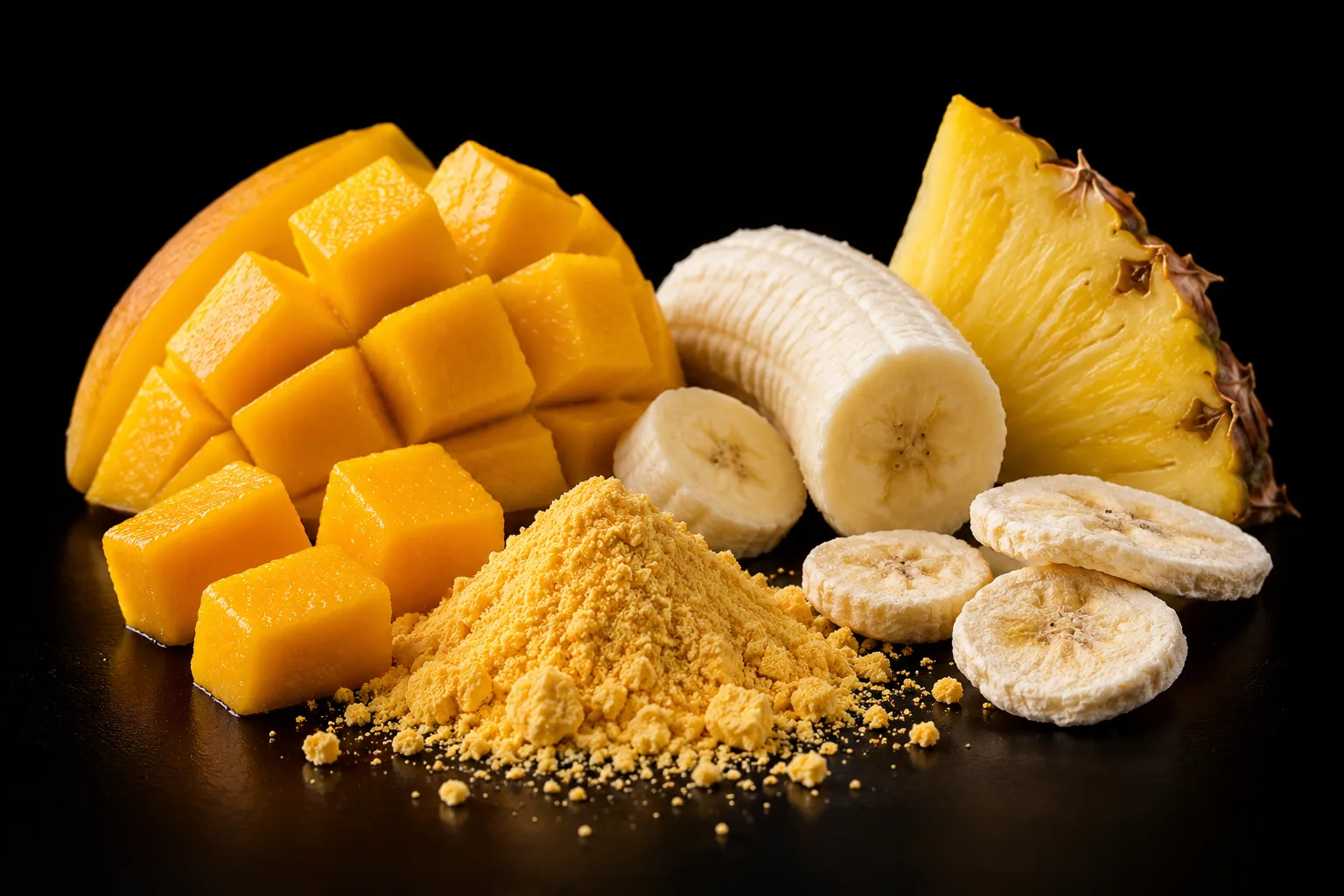
Mango with banana or pineapple — selected for their low fibre content, freeze-dried and finely milled into a dry powder.
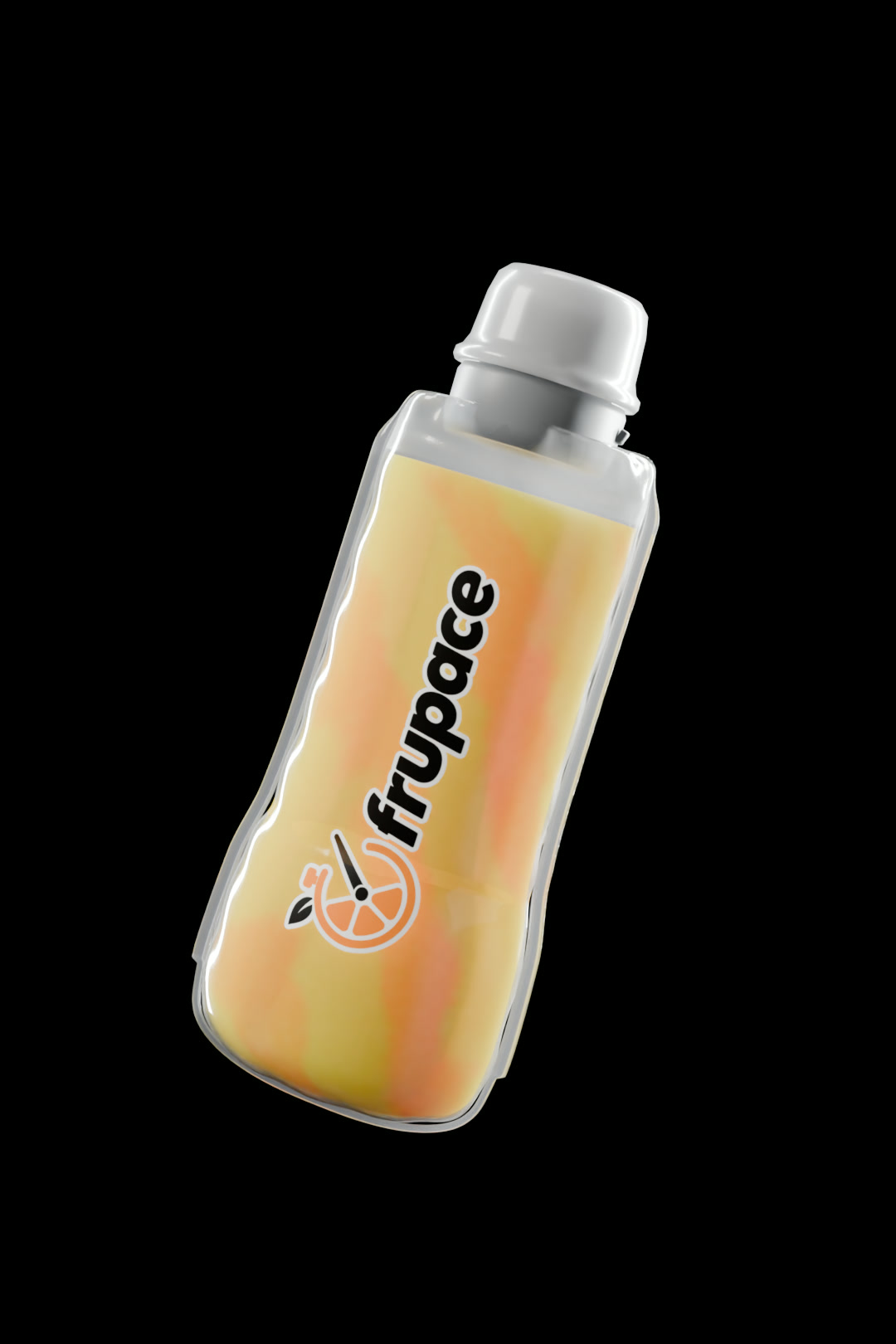
Fuel your rides, runs and races with natural energy.
Mix it fresh in your flask. Just add water, shake and go.
Why we created Frupace
That’s why we created Frupace. A fruit-based alternative for long rides and runs, with a taste we want to come back to. We’re still refining the recipe and testing digestive tolerance.
What's inside
Just add water, shake and go.
Mango with banana or pineapple — selected for their low fibre content, freeze-dried and finely milled into a dry powder.
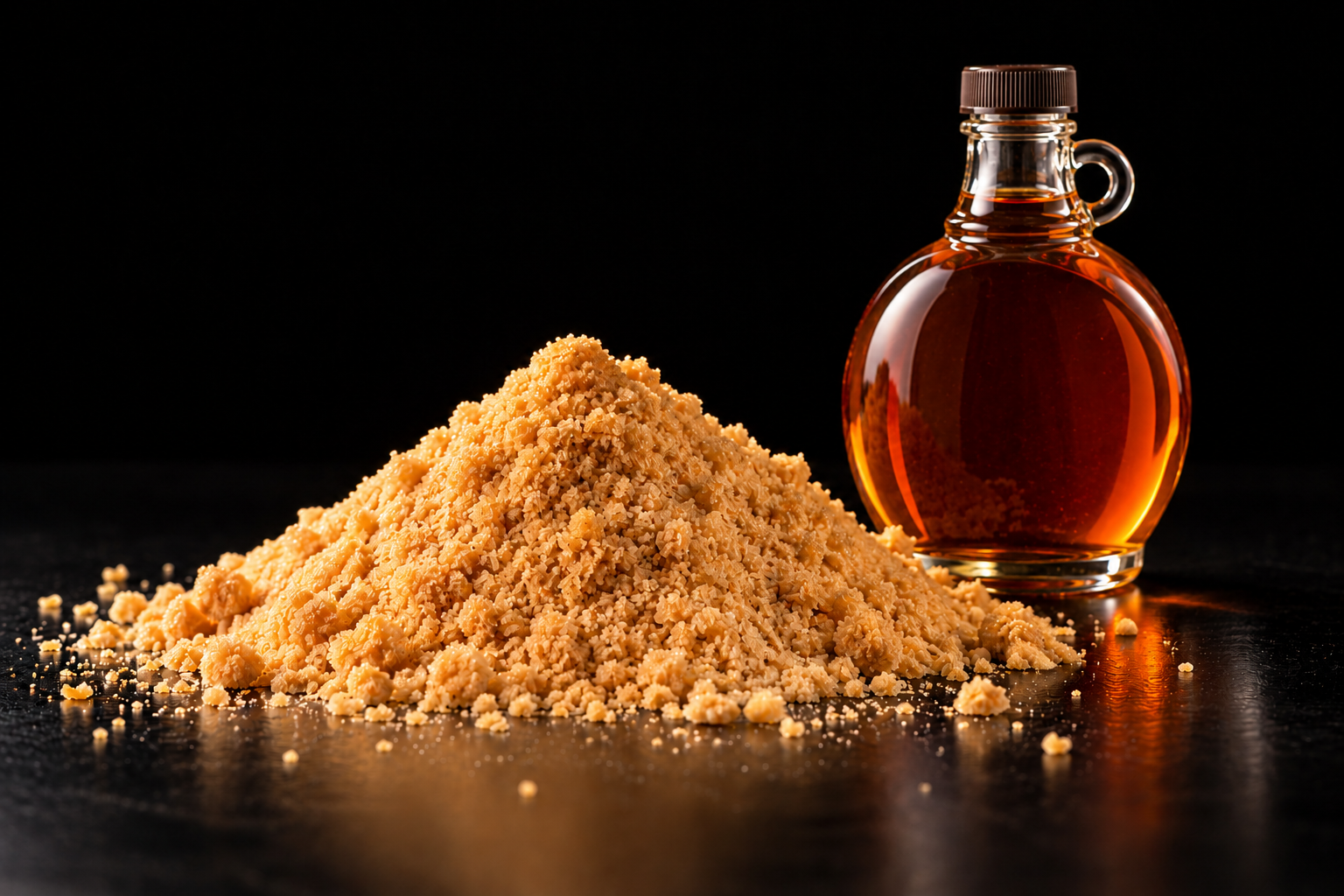
Made from maple sap. Adds carbohydrates and a subtle caramel note.
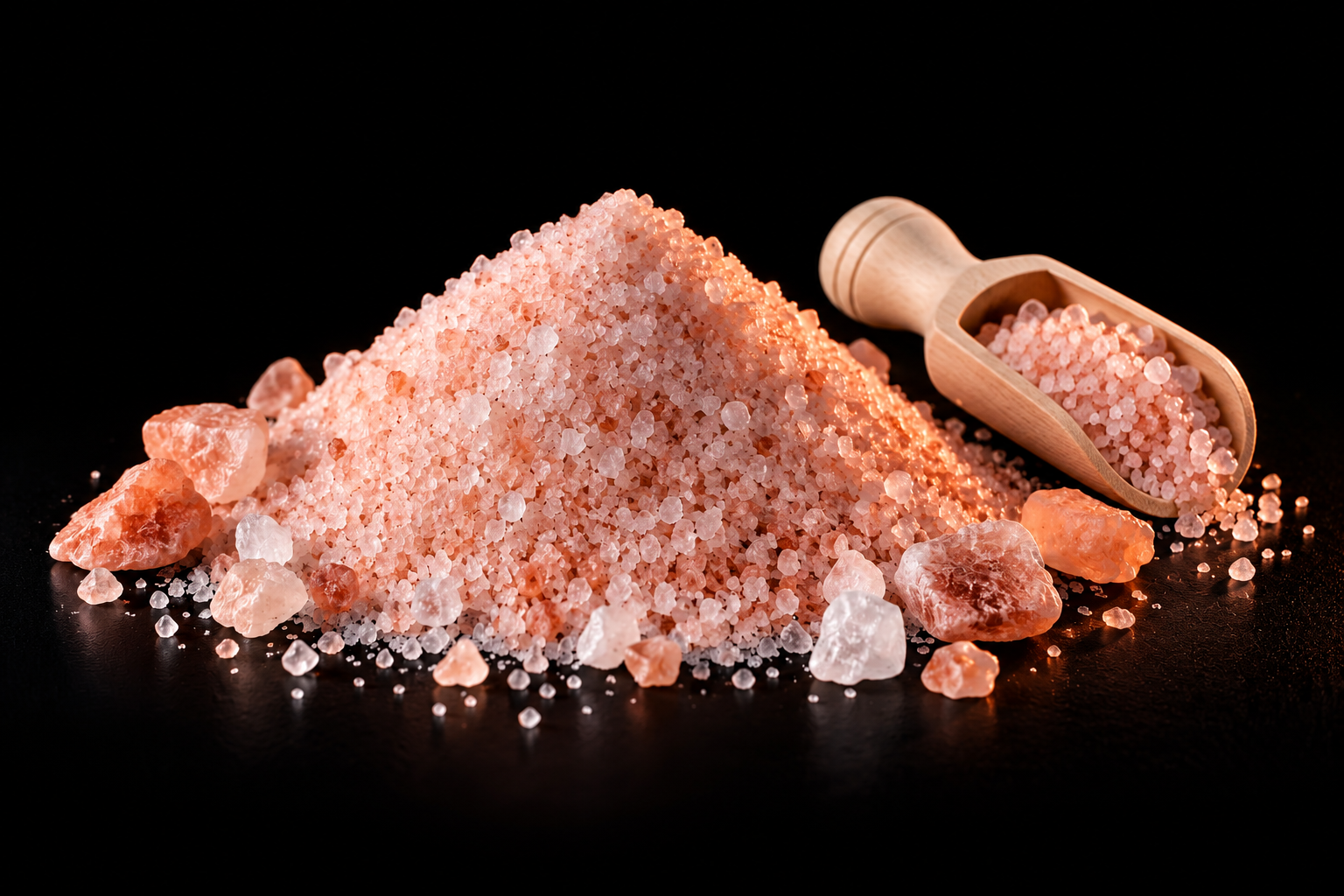
A small amount of salt adds sodium to your fruit fuel.
Approx. 122 mg sodium per serving in our working recipe.
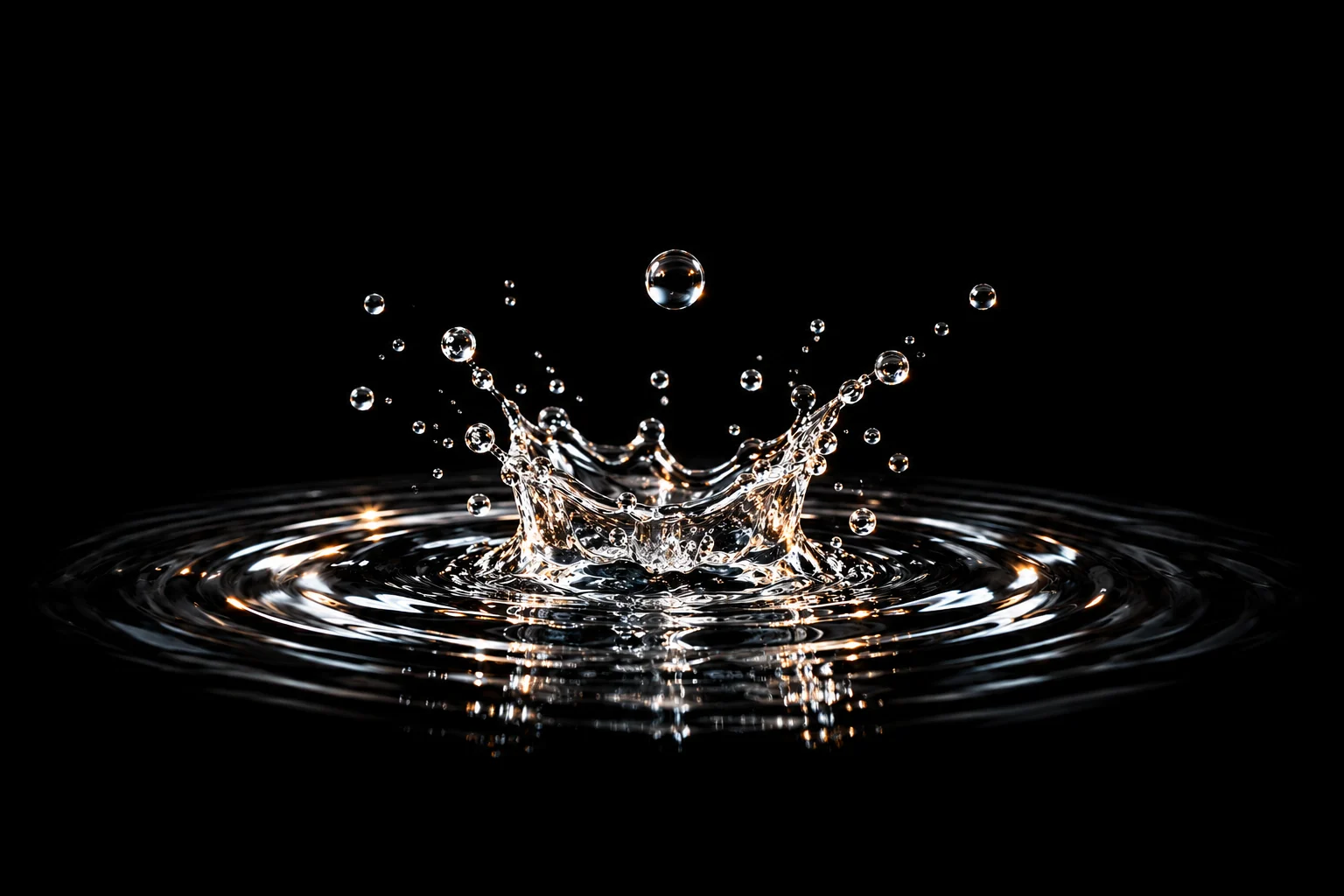
Add approx. 45 ml drinking water per serving, then shake.
Working amount; final mixing guide to follow.Fruit mix vs. a ready-to-eat gel
Compared on a dose providing 30 g of carbohydrates. Sodium shows a range across five gel brands; other gel figures use a maltodextrin-based example.
Nutrition per 30 g of carbohydrates
| What you get | Frupace gel | Typical endurance gel |
|---|---|---|
| Carbohydrates | 30 gGlucose : fructose sources: Model: 1 : 0.96 to 1 : 1.18* | 30 gGlucose : fructose sources: Glucose source; no added fructose listed |
| Protein | ≈ 1.5 g* | 0 g |
| Fat | ≈ 0.3 g* | 0 g |
| Fibre | ≈ 2.4 g* (we choose low-fibre types of fruit) | 0 g |
| Sodium | ≈ 122 mg* (including 120 mg from added salt) | ≈ 5–240 mg (varies by product) |
| What you get | Frupace gel | Typical endurance gel |
|---|---|---|
| Carbohydrate source | Real fruit + maple sugar | Maltodextrin |
| Amount for this comparison | 37 g dry mix + 45 ml water = ≈ 82 g endurance gel | ≈ 82 ml ready-to-eat gel |
| Preparation | Approx. 1–2 minutes — add Frupace to your flask, add water and shake. | Ready to eat — open and squeeze. |
| Packaging | Refill, rinse, reuse your flask. No individual gel wrappers. | Single-use wrapper for each gel. |
Frupace values and preparation time are working estimates for the mango–banana + 6 g maple sugar recipe. Fibre shows the estimated fruit contribution; maple fibre is not quantified. The sodium range covers five checked gel ranges, not a market average or the full market range. Other gel figures remain a SiS GO Isotonic example. Sources and calculations below.
We choose fruit with fibre in mind. This does not mean less fibre than a conventional gel.
Sodium per 30 g carbohydrate, checked 31 Oct 2026: declared sodium × 30 ÷ declared carbs. SiS declares 0.01 g salt, equivalent to 4 mg sodium per gel (salt ÷ 2.5). Maurten uses its US label; PowerBar uses the manufacturer’s July 2024 Lemon-Lime sheet. GU publishes 60–125 mg sodium and 21–23 g carbs across flavours: 78.3–178.6 mg is a conservative calculated envelope, not paired flavour measurements. Sample limits 5.45–237.69 mg are rounded outwards to ≈ 5–240 mg. This includes regular product lines with added sodium, not a separate electrolyte-gel category. Other recipes may fall outside the sample. More sodium does not by itself mean a better gel.
Working recipe per 30 g carbohydrates: 6 g maple sugar plus approx. 15.304 g mango and 15.304 g banana, with 0.3 g added salt. Carbohydrate labels: mango 84 g, banana 74 g and maple sugar 97 g per 100 g. We use unrounded fruit weights in calculations. Fruit contributes approx. 2.45 g fibre (displayed to one decimal): mango uses KoRo’s reference 9.2 g/100 g because our supplier has not supplied a value; banana is 6.8 g/100 g. Maple fibre has not been quantified and is not assumed to be zero, so the fibre row shows the fruit contribution, not a complete total. Protein is approx. 1.5 g and fat 0.3 g, using mango/banana protein 5/4.3 g and fat 1/0.7 g per 100 g, plus Naturata maple protein 1.3 g and fat 0 g per 100 g. Sodium is approx. 122 mg, including 120 mg from added salt; fruit and maple salt declarations are rounded. Dry mix is approx. 36.91 g. The glucose:fructose scenarios are 1:1.178 for modelled sugars alone and 1:0.962 if all unclassified carbohydrates are assigned to glucose. These are alternative assumptions, not a measured product range. Fruit sugar profiles are reference data, and maple sugars are approximated as sucrose split equally. Approx. 45 ml water is a working preparation amount, not the final gel volume. All values are recipe estimates, not a final nutrition declaration. The reference gel provides 22 g carbs in 60 ml: 60 × 30/22 gives approx. 82 ml for the same 30 g carbs.
How it works
Ever mixed a protein shake? Same idea. Add Frupace to your flask, add water and shake.
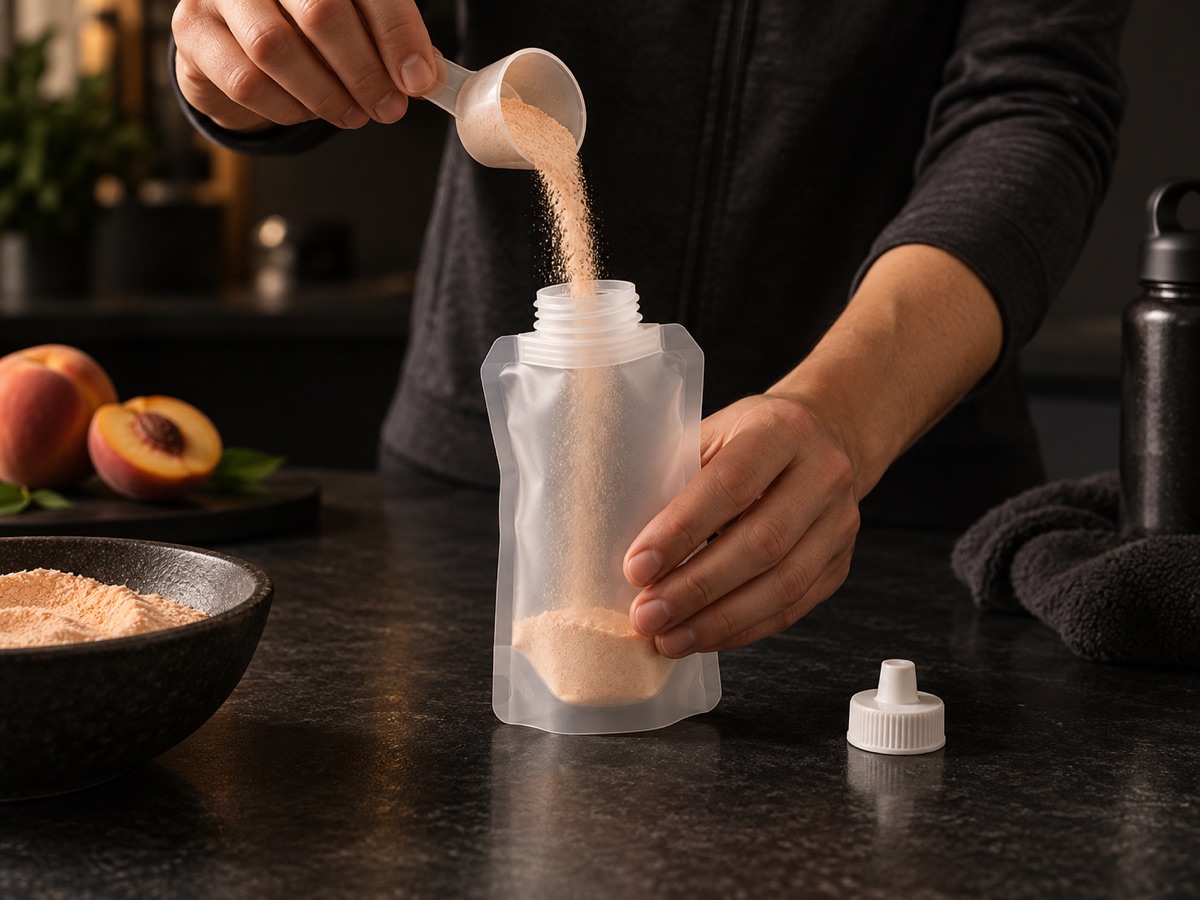
Scoop the ready-made mix into your flask. No weighing out individual ingredients.
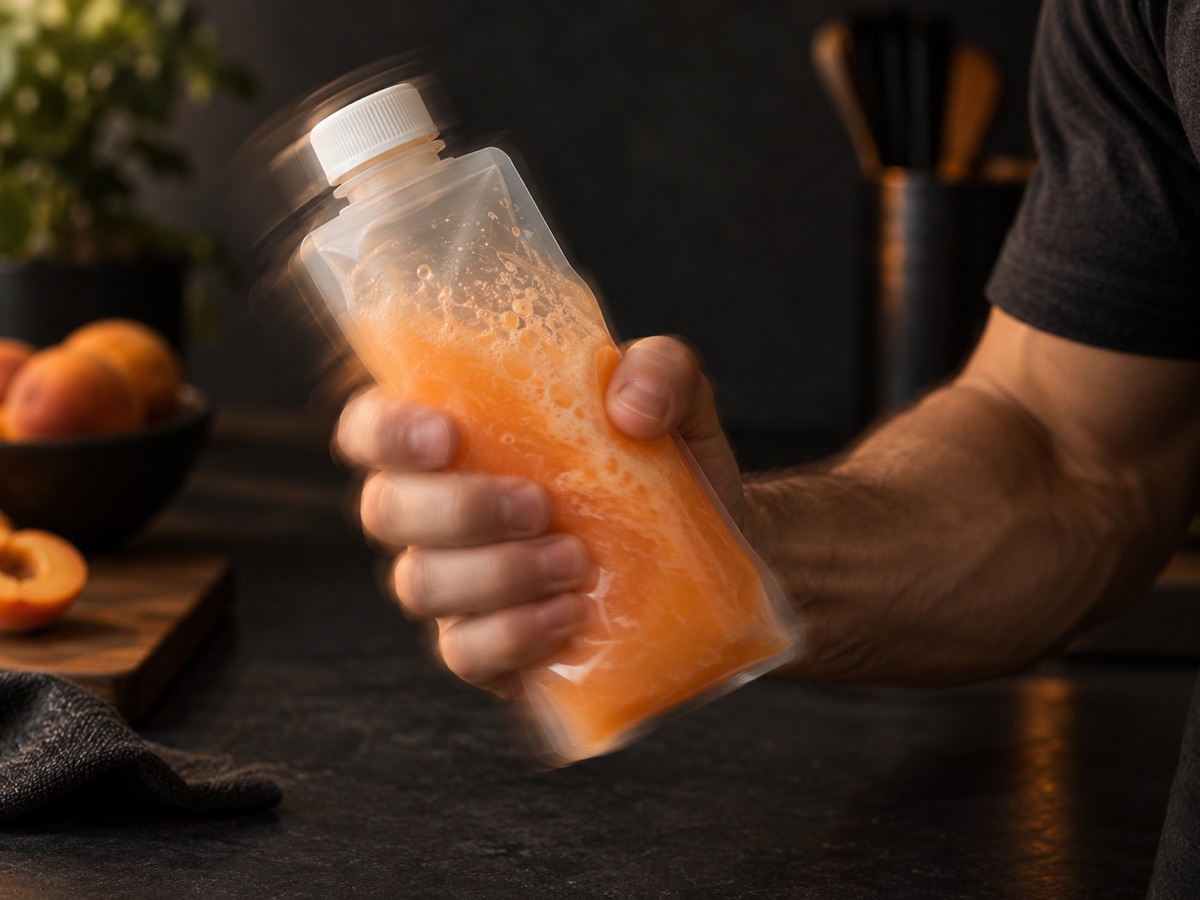
Add approx. 45 ml water per serving, close and shake. This working amount will be refined in the final mixing guide.
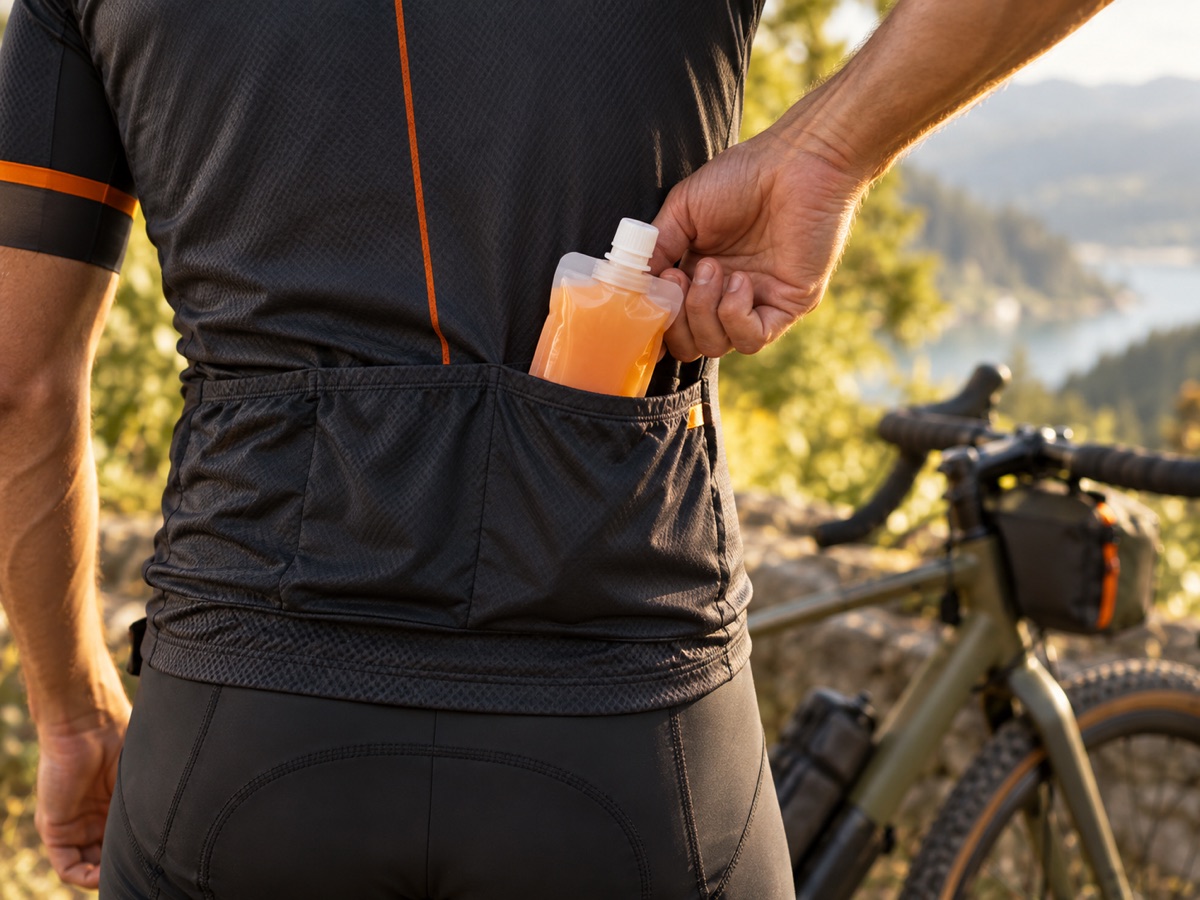
Into the jersey pocket or the running vest. Wash the flask and valve after use and let them dry completely before the next refill.
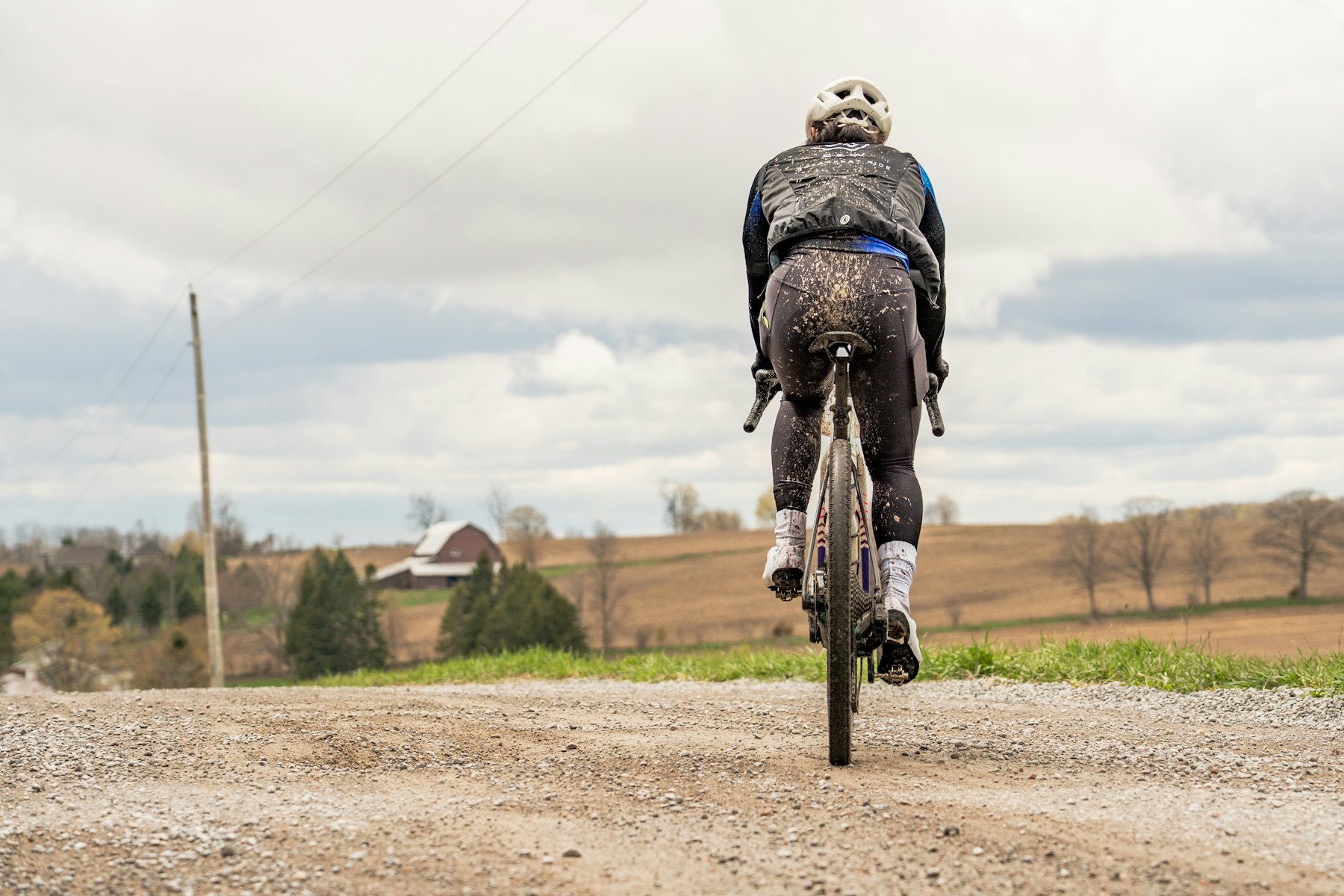
Road, gravel, trail, marathon. If your effort runs past two hours, you need carbs you'll actually want to eat.
Choose your mixFAQ
30 g of carbohydrates. Not 30 g of powder and not one full flask. The flask holds more than one serving; the exact fill is on the mixing guide.
Freeze-dried fruit, maple sugar and a pinch of salt. Fruit and maple sugar provide the carbohydrates; salt provides sodium. You add the water. We’re still refining the final proportions.
Mix it the day you go out. We'll publish storage guidance with the first batch.
Choose mango–banana or mango–pineapple. Both combine freeze-dried fruit, maple sugar and a pinch of salt. Final proportions are still in development.
Yes. Choose 10 servings for €29 or 20 servings for €54, without a flask. Add a flask for €12 if you need one. Shipping depends on the delivery country. No subscription.